


Carrier Bags
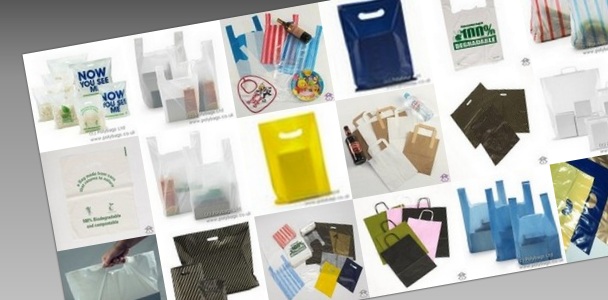
Carrier bags are usually manufactured from polythene but can also be made from alternative eco-friendly materials such as potato starch. Carrier bags are most commonly produced for shops, stores and supermarkets to give to their customers and so are the best known type of 'Retail Bag'.
Retail bags are produced in different styles and sizes, with a gusseted size or a flexi-loop and many other options. However the vest-style carrier bag is probably the most traditional type as they are economic and strong.
Results from recent searches on carrier bags
Retail Bags
Retail bags need to suit the shop floor as well as the client's walk home, because a bag that fails in handling costs time and creates a poor impression at the till. A superb format feeds cleanly from storage, opens without sticking, and gives staff a bag that can be filled fast when the queue is moving. Film gauge, board quality and handle selection all affect how the pack behaves below load, particularly with heavier items or sharp edges that can stretch weak material. When the building is matched to the products, the result is faster service and less complaints about split seams or awkward carrying.
Study: Some men won’t use reusable shopping bags so they won’t be perceived as gay
Reusable shopping bags can transport a social price as well as a practical one, which is why a few men still avoid them even when they know the environmental case. The barrier is not the bag itself nevertheless the message it is seen to send, and that can matter above logic in daily behaviour. For packaging and shopping teams, that means a supposedly simple switch requirements proper view about shopper habits, aisle visibility and how a transport solution sees in use. A bag that folds neatly, feels robust and does not seem fussy is more likely to be accepted, so design can change behaviour as much as persuasion.
Paper carriers often do above simply drop off a morning bundle, and that changes the method the job has to be organised. Some buy papers for resale, while the rest transport consignments for a publisher to shops, assortment points, or vending boxes, and the same round may also include flyers or complimentary sheets for homes. That mix means the packing and load plan has to match the proper route, not a tidy theory on paper. Separate bundles, transparent counts, and sensible secondary packing reduce confusion at handover and assist retain the proper titles moving to the proper stop. A carrier operation runs better when the paperwork, separation, and dispatch routine are built around the proper workload.
Cash-and-transport outlets often select machine-manufactured SOS paper carrier bags because they handle heavy throughput without tying up cash in expensive packaging. A tidy white bag with a simple one- or two-colour print can transport a emblem well enough for basic recognition, while keeping the board specification and converting cost down. That suits short-life purchases like food to proceed, prescription items, or small trade parts that leave the premises fast. The bag is there to transport, keep safe, and transport stock through the point of sale without wasting material or labour. That makes low-cost paper bags a sensible secondary pack when speed and economy matter above presentation.
See part 10 below for information about direct assist arrangements for carriers.
Carriers face a straightforward financial risk if a charge is not settled, because the debt can be pursued through the courts only like any other unpaid liability. That means the issue is not simply a matter of paperwork slipping through the net; once a all has been properly levied, argument above whether it should have been charged is not part of the enforcement process. In practical terms, the carrier's responsibility is to deal with the charge promptly and retain records in superb order, rather than hoping the matter will disappear. Clear admin and fast response reduce the chance of a claim turning into a formal recovery action.
Details about 100 BLACK & GOLD STRIPE PLASTIC CARRIER BAGS 9"x11" PATCH HANDLE JEWELLERY GIFT
Plastic carrier bags with patch handles need to feel tidy, robust and easy to transport if they are being used for gift shop or boutique products. A small bag at 15 by 18 inches with a 3 inch gusset gives enough room for boxed items, folded clothing or multiple purchases, nevertheless the proper contrast comes from the handle area and film gauge. Patch handles spread the load better than a simple die-cut, so the bag is less likely to tear when the contents sit awkwardly or are carried for longer than planned. Black film also assists retain the presentation tidy and conceals mixed contents, which matters when the bag leaves the till looking presentable. A well-manufactured carrier of this type reduces complaints, retains handling damage down and gives a cleaner stop for shopping packing.
All shops must charge 10p for plastic carrier bags from April - as levy doubles
A higher charge on plastic carrier bags forces shops to treat bag supply as a working cost, not a complimentary additional at the till. Once the price transports beyond pocket change, more clients arrive with their possess bags and the flow of lightweight polythene suppliers leaving the store drops away. That alters ordering patterns because demand can drop sharply rather than gently, leaving a few stores with awkward stock that transports slowly while the rest still dash short at busy times. It also changes how secondary packing is handled, since less impulse bags mean a alternative load on checkout teams and storage space. Retailers that track take-up rates properly will avoid waste and retain stock in step with proper demand.
Biodegradable carriers only work in practice when the film retains its strength on the line and in the warehouse, not only in a disposal test. A carrier can be designed to smash down below the proper conditions, yet it still has to resist puncture, grasp a proper seal and retain a proper gauge so handles do not stretch thin amid packing. If the material varies also much, the welds become uneven and pallet stacks lose shape because the bags no longer behave the same from one batch to the next. Good specification retains the carrier light enough for despatch efficiency while still giving operatours something that survives a normal handling route without additional overpacking.
Personalised carriers need to be specified for transport performance first and print second, because a clever-looking bag is no use if it distorts as soon as it is filled. Bag size, gauge and handle style all change how the load sits, and the gross combination can leave the side gussets stretched, the seams stressed and the all pack sagging in the hand. Heavier contents need enough film strength to grasp shape without turning stiff and awkward, while lighter shopping products may suit a thinner gauge and a cleaner stop. Getting the building proper gives a carrier that feels sound at the point of use and still does the job the branding asks of it.
Latest British Printed Carrier Bags Suppliers
Printed carrier bags need the proper gauge and handling strength if they are going to survive busy counter use and the trip home without splitting. A thinner film can reduce resin use and pack more bags onto a pallet, which assists storage and transport, nevertheless only if the material still has enough puncture resistance and seam integrity. If the gauge is pushed also far, the bag may tear at the handle or fail when loaded with awkward items, leading to complaints and waste at the till. A sensible selection is the one that balances weight saving with proper toughness on the shop floor.
Clear plastic carrier bags
Clear plastic carrier bags are made from strong varigauge film. Varigauge because they are thicker around the handles to give extra resistance and thinner toward the bottom. Clear poly bags are completely see-through meaning customers can see what is inside clearly. This type of carriers can comfortably hold up to 5kg.
Heavy Duty Carrier Bags
Heavy duty carrier bags are suitable for multi-uses including food, use small plastic bags to packing food and large plastic bags to protect your items or pack heavy items. Lightweight and durable these heavy duty poly bags are available in many sizes and models.
Printed Carrier Bags
Printed carrier bags offer an economic and effective marketing solution. Printing a logo or a website address on a shopping bag can help getting the name of your company on the market for a low cost. Customer that by from you will carry the bag wherever they go allowing for other people to see and chances are big that they will come to your shop.
Polybags is the UK leading manufacturer and supplier of polythene packaging and they also offer custom printing services, so if you need to promote you company by having your brand printed make sure to visit Polybags and just fill a printed carrier bags form with your request.
Biodegradable Carrier bags
Having your logo or message printed on retail bags is one way to get to your customers but another great idea is to provide environmentally friendly carriers and your customers will notice that you are concerned with the environment and will give you more credit. Biodegradable carrier bags will break down when disposed of with industrial compost. Biodegradable bags can also be manufactured from potato starch which is 100% renewable and sustainable and will completely disintegrate into CO2, water and biomass in about 12 weeks if disposed in standard composting conditions.
Paper Carrier Bags
For smart alternative to traditional polythene carrier bags, paper bags could be a great solution. Paper carrier bags are strong, smart and biodegradable and they are generally made from materials like kraft, duplex and art card.
Eco-friendly, recyclable and resistant, paper carriers can be used for food packaging, the well known 'take away' bag, as well as a shopping bag. Paper bags can also be ordered with customized printing and with different handle designs, styles and colours.